


January 21, 2026
The Future of Crane Technology: What Builders Should Know About Crane Automation & Remote Monitoring
The Future of Crane Technology: What Builders Should Know About Crane Automation & Remote Monitoring
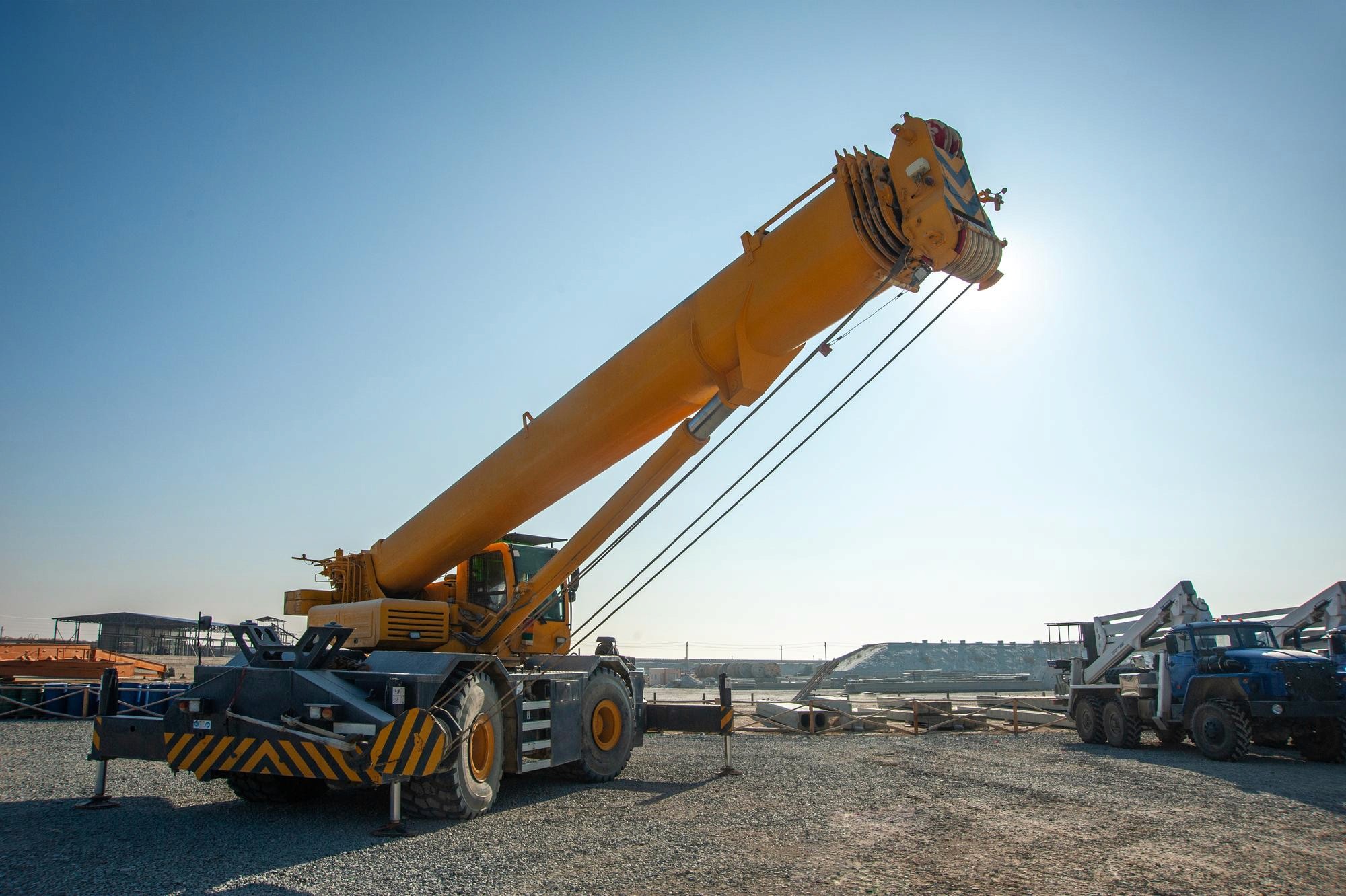
Introduction: The Rise of Smart Crane Technology
If you think cranes have stayed the same over the decades all steel cables, hydraulic lifts, and heavy counterweights think again. The crane industry is undergoing a quiet revolution driven by automation, data analytics, and remote monitoring technologies.
Across Australia, construction sites are becoming smarter and safer. Builders, engineers, and project managers are adopting digital lifting solutions that offer more precision, real-time feedback, and predictive maintenance insights.
At the heart of this evolution are companies like Avalon Cranes, who combine hands-on expertise with advanced crane technology to help builders deliver projects on time, on budget, and with fewer risks.
So, what’s next for crane technology? And why should builders start paying attention now? Let’s dive into how automation and remote monitoring are shaping the future of lifting and what it means for your next big project.
Overview Why You’ll Love This Blog
Explore how crane automation is revolutionizing the construction industry.
Understand how smart cranes and remote monitoring improve safety, accuracy, and efficiency.
Learn how builders can future-proof their projects with cutting-edge lifting technology.
Get insights from Avalon Cranes, one of Queensland’s trusted crane hire specialists.
Walk away with real-world applications, trends, and practical takeaways to stay ahead of the curve.
What Is Crane Automation (And Why It Matters)?
Crane automation refers to the integration of intelligent systems including sensors, AI algorithms, and robotics that allow cranes to operate with minimal manual intervention.
While cranes will always require skilled operators, automation enhances their capabilities in ways that were impossible just a decade ago.
Key Features of Crane Automation
Load detection sensors: Measure weight and adjust tension automatically.
Anti-sway systems: Reduce load swing for safer, more accurate lifts.
Automated path planning: AI calculates optimal movement paths.
Real-time feedback systems: Provide instant data to operators.
Collision avoidance: Cameras and radar systems detect obstacles before impact.
Why Builders Should Care
For builders, automation means fewer delays, reduced risk, and higher productivity. A lift that used to require three people and constant communication now happens with smoother coordination and real-time adjustments.
Companies like Avalon Cranes are already integrating advanced systems into their fleet to give builders access to cutting-edge precision lifting without the complexity or cost of owning such technology themselves.
Remote Monitoring The Game Changer for Modern Construction
Imagine being able to monitor every aspect of a crane’s operation from load stress to boom angle in real time from your office or even your smartphone. That’s what remote monitoring delivers.
How It Works
Using a network of IoT (Internet of Things) sensors and cloud-based dashboards, modern cranes can now send live data streams to project managers, site supervisors, and equipment owners.
Common parameters monitored include:
Load weight and distribution
Boom position and angle
Wind speed and environmental conditions
Fuel consumption and operational hours
Maintenance alerts and fault diagnostics
This means that issues can be identified before they cause downtime. For example, if a sensor detects abnormal vibration, a technician can be dispatched immediately preventing breakdowns that would otherwise delay the project.
Benefits for Builders
Enhanced safety: Instant alerts for overloading or unsafe conditions.
Improved efficiency: Data-driven decisions reduce idle time.
Predictive maintenance: Avoid costly equipment failures.
Better accountability: Transparent logs for compliance and audits.
By partnering with an experienced provider like Avalon Cranes, builders gain access to advanced monitoring systems without investing in costly infrastructure themselves.
Top 5 Ways Crane Automation Is Revolutionizing Construction
Automation isn’t just a buzzword it’s driving measurable improvements across construction sites worldwide. Here’s how it’s transforming the landscape for Australian builders.
1. Precision Like Never Before
Smart cranes use onboard sensors to calculate lift angles, load weight, and balance in milliseconds. The result? More accurate lifts, fewer errors, and smoother operations.
2. Enhanced Safety
With AI-driven collision detection and load monitoring, automated cranes dramatically reduce accidents caused by human error. Operators receive real-time feedback, improving situational awareness.
3. Reduced Labour Costs
Automation enables one operator to manage more tasks simultaneously. Combined with remote-assist technology, you can even oversee multiple cranes from a central control hub.
4. Sustainability and Fuel Efficiency
Modern cranes equipped with hybrid or electric systems use less fuel and emit fewer greenhouse gases, aligning with Australia’s push toward sustainable construction.
5. Real-Time Decision Making
Data analytics allows project managers to make faster, smarter decisions from adjusting lift schedules to predicting weather-related risks.
Avalon Cranes integrates these technologies to provide builders with reliable, high-tech lifting solutions that don’t just move loads they move the entire project forward.
Case Study Smart Lifting on a Tight Urban Site
When Avalon Cranes was called in for a complex residential project in Brisbane CBD, space was limited, traffic was constant, and safety regulations were tight.
Using a remote-monitored mobile crane equipped with anti-sway automation, the team successfully lifted large prefabricated components with millimetre-level precision all while minimizing disruption to nearby businesses.
The client reported a 20% reduction in total lift time and zero safety incidents proving that smart crane technology doesn’t just sound good on paper; it delivers real results on-site.
The Role of Data in Modern Crane Operations
In today’s digital ecosystem, data is as valuable as steel. Every movement, lift, and environmental reading can be captured, analysed, and used to improve performance.
Data-Driven Insights Help With:
Project forecasting: Predicting delays based on equipment data.
Maintenance scheduling: Identifying wear patterns before failure.
Safety analytics: Spotting trends in near-miss incidents.
Compliance: Generating automated reports for regulators.
Builders working with Avalon Cranes benefit from transparent performance reports and real-time operational insights, allowing them to stay proactive rather than reactive.
Challenges and Opportunities Ahead
Of course, every technological leap comes with its challenges. While automation and monitoring bring huge advantages, they also require training, data security, and integration with legacy systems.
Key Challenges
Skill Gap: Operators need training to interpret data and manage automated systems.
Initial Costs: High-tech cranes cost more upfront, though savings follow.
Connectivity: Remote areas may face network limitations for IoT data.
Cybersecurity: Protecting operational data from digital threats.
Yet, for builders who embrace change, the opportunities far outweigh the risks. Those who adopt automation early will enjoy safer sites, faster project delivery, and a stronger competitive edge.
How Avalon Cranes Is Driving the Future of Lifting in Australia
At Avalon Cranes, innovation is more than a trend it’s a commitment. With a growing fleet of modern, automated mobile cranes, Avalon is leading the way in combining traditional lifting excellence with tomorrow’s technology.
Their team focuses on:
Smart fleet management: Using data to improve uptime.
Eco-friendly operations: Prioritising fuel-efficient cranes.
Safety through automation: Leveraging sensor-based anti-sway systems.
Customer education: Helping builders understand and benefit from automation.
Whether it’s a small residential project or a large-scale infrastructure job, Avalon Cranes ensures builders have access to the best in crane technology supported by an expert team that understands every lift’s importance.
Conclusion: Building Smarter, Safer, and Stronger with Automation
The future of construction is data-driven, connected, and intelligent and cranes are leading the charge.
From remote monitoring systems that keep sites safer to automated controls that enhance precision, the benefits for builders are clear: faster lifts, fewer risks, and higher efficiency.
Partnering with Avalon Cranes means embracing this future today. With their advanced fleet, experienced operators, and commitment to innovation, Avalon makes it easy for builders to stay ahead in a rapidly changing industry.
Ready to lift your next project into the future?
Contact Avalon Cranes today to discover how automated crane solutions can transform your site performance safely, smartly, and efficiently
Related posts
Related posts